
COLUMN
06 – “Playfulness” Opens Youth’s Hearts: The Power of LOVE’s Program, Where There’s No Pressure to Be Judged
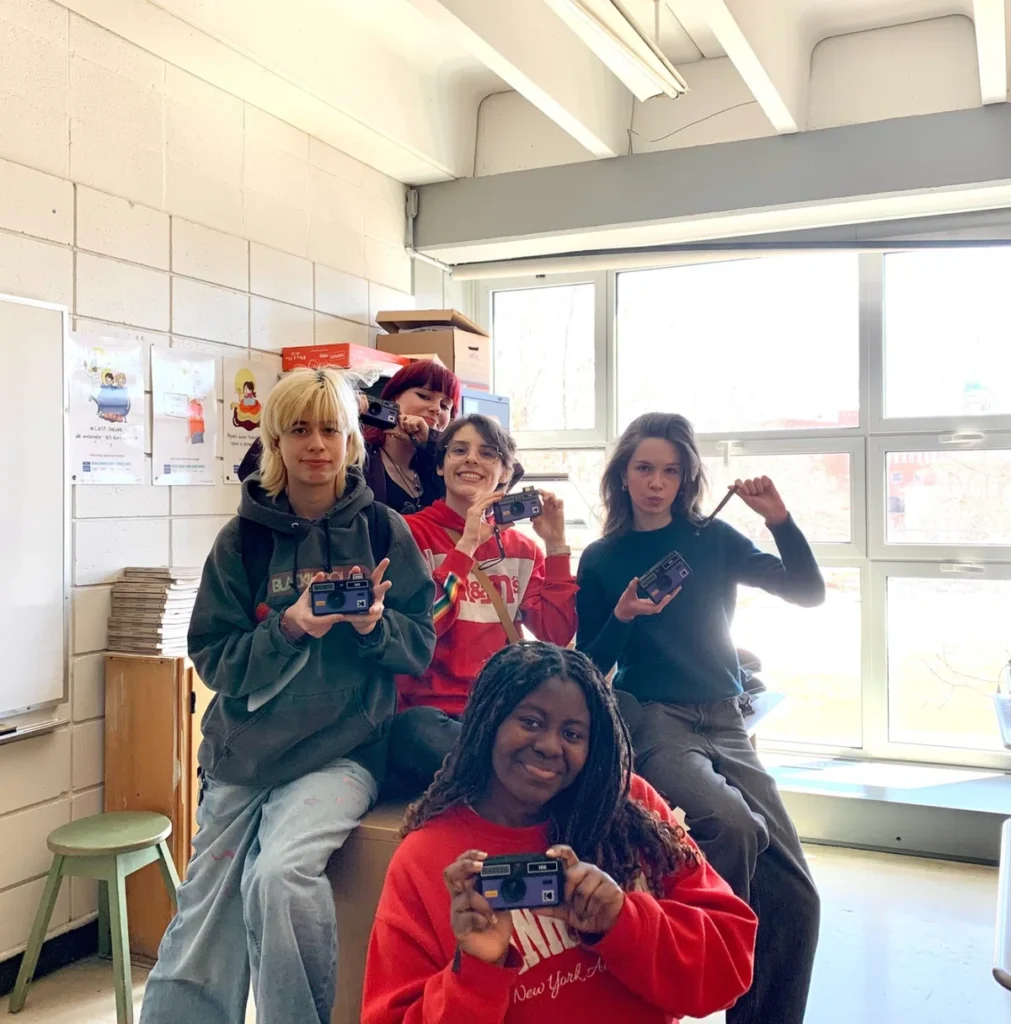
”How the LOVE program gives me a break in the day.”
This was one of the comments that made a strong impression on me. We received it from a student in a program evaluation at a high school in Montreal, where the LOVE program was delivered over 22 weeks.
A space and time where youth can freely express themselves without being judged—neither at school nor at home. When I read that comment, I was reminded once again: this is exactly what LOVE offers to the youths.
At LOVE, there are no tests or grades. Youth don’t have to worry about pleasing a teacher or counselor. They’re not pressured to “behave properly.” If they don’t feel like talking, they don’t have to. Instead, they can reflect on their thoughts and emotions at their own pace—through writing, photography, or creative activities.
Most importantly, through workshops, youth come to realize: “I’m not the only one who feels this way.”When they discover that their peers—and even the coordinators—have experienced similar struggles, it becomes easier for them to open up.
Playfulness That Softens the Heart: The Role of Coordinators
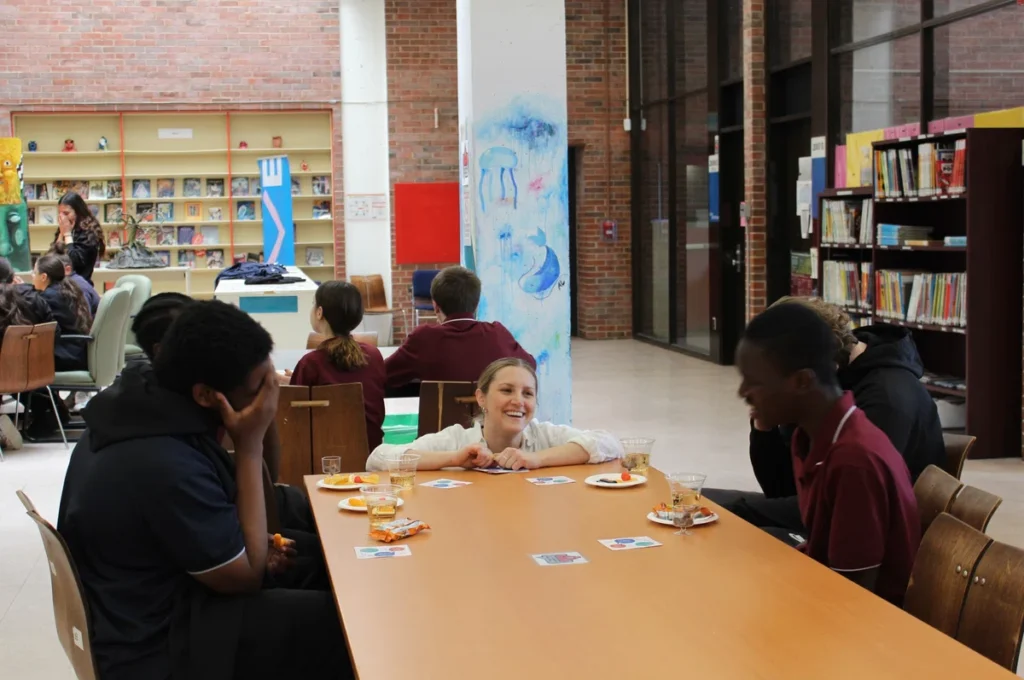
LOVE coordinators build relationships with youth that are neither that of a teacher nor a therapist. It’s flat, friendly—but deeply trusting. They are like approachable older siblings from the neighborhood.
They always respect the youth’s feelings and bring a playful attitude to the workshops. Activities feel like games, art projects, or free writing sessions. Because they’re fun, youth naturally get absorbed in them—before they know it, they’re sharing feelings, connecting with others, and expressing themselves in new ways.
And of course, the coordinators genuinely enjoy the workshops too. When youth see adults having fun alongside them, it creates a relaxed atmosphere where they feel safe to be themselves.
One thing I found particularly touching after working with LOVE coordinators is how they never fail to express sincere appreciation for each participant—for their effort, for showing up, for what they could do that day. This strength-based approach allows each young person to feel seen, accepted, and validated just as they are. I believe that alone can be a turning point for youth to begin thinking, “Maybe I’m okay as I am.”
It’s Not Just Fun—It’s Mental Health Promotion
What is mental health promotion?
It’s about creating opportunities that support and strengthen each individual’s mental well-being. It’s about helping prevent emotional distress before it grows.And it’s about offering safe spaces where people feel respected, connected, and able to access support when they need it.
The beauty of LOVE’s program is that just by participating naturally, youth are already developing important aspects of mental wellness.
According to Dr. Franco A. Carnevale—professor at McGill University and researcher in child advocacy—LOVE’s program meets all six key strategies for mental health promotion, as outlined in his 2018 ethnographic study, “Where vulnerability can become a strength: A focused ethnography of a community program for youth exposed to violence.”
Here are the six components LOVE fulfills:
1. Fostering understanding of personal experiences and emotions
2. Increasing positive feelings
3. Reducing negative feelings such as anxiety and stress
4. Decreasing harmful behaviors toward self or others
5. Helping youth clarify their emotions and values
6. Developing interpersonal skills and self-awareness
* These six strategies are recommended by Canada’s Centre for Addiction and Mental Health (CAMH) as essential for promoting youth mental health.
In addition, LOVE provides:
・A space where youth can safely try new things
・Opportunities to connect with people outside their usual circles
・A sense that their voice matters in the community
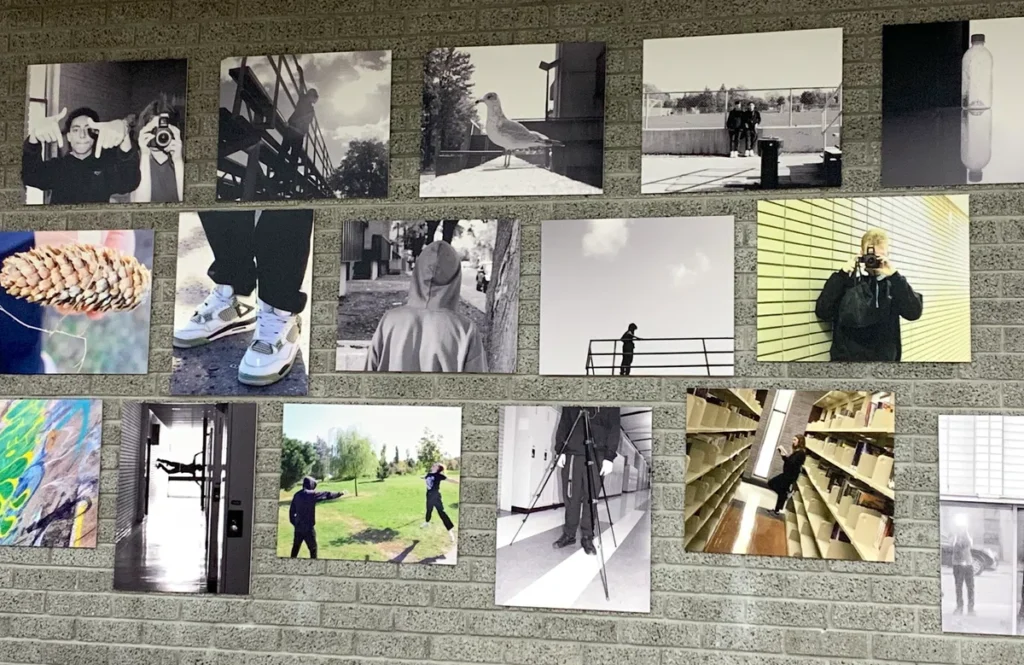
In short, it provides youth with what’s called the “determinants of mental health”: inclusion, freedom from judgment or violence, and the feeling that they are valued, contributing members of their community.
The Potential for Youth in Japan
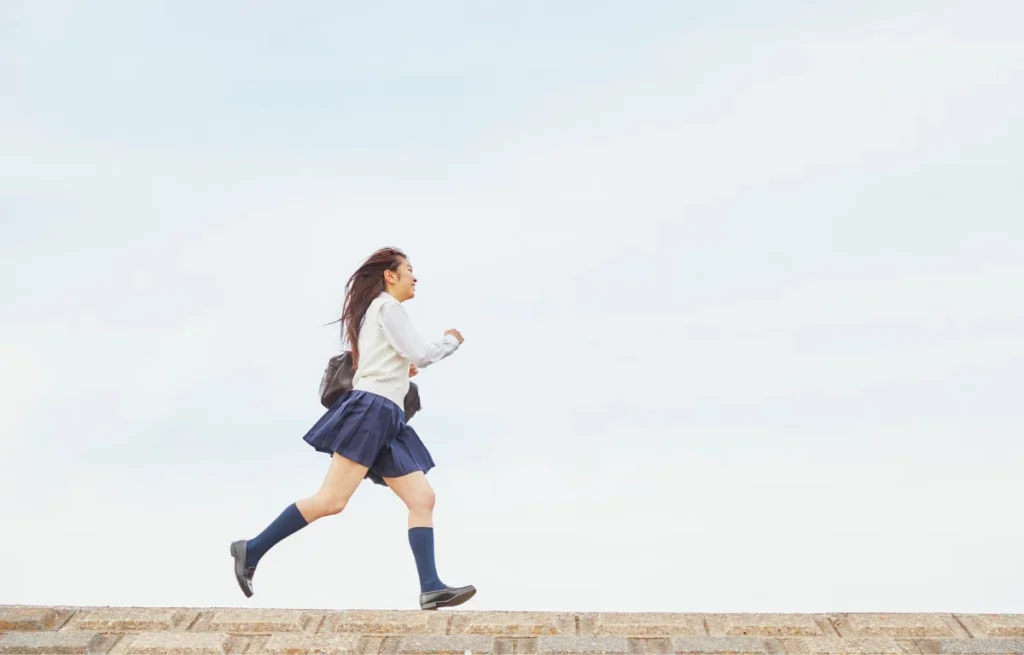
In Japan, many young people feel constant pressure—at school, at home, or both. Some feel like they have nowhere they can truly speak their mind.
The As iZ program was born to respond to that reality, building on LOVE’s success in Canada and adapting it to the cultural context in Japan.
For youth who find it difficult to express emotions or aren’t comfortable speaking out, art and writing become powerful tools for self-expression.
Here, there’s no need to compare yourself to others. You don’t have to “be better” or “try harder.”
As iZ and LOVE want youth to know: being yourself is enough.
And in that knowing, youth gain the power to live more freely, more happily, and more authentically.
We hope that more people—educators, youth workers, parents, and young people themselves—will become curious about what LOVE and As iZ have to offer.

We are currently welcoming new members who support our mission and activities.
Feel free to reach out.